
Learning Materials

Domiciliary Care Fundamentals
This domiciliary care refresher course provides a comprehensive overview of the legal and practical responsibilities required to support service users safely and respectfully. The curriculum begins with a focus on equality, dignity, and the duty of care, establishing a foundation for professional record-keeping and the prevention of discrimination or harassment. Modules on health and safety cover essential emergency protocols, including fire precautions, risk assessments, and first aid procedures such as the primary survey (DRABC) and managing wounds or falls.
The training further addresses daily operational safety through food hygiene and infection control, detailing the “Four C’s” of food safety, personal hygiene, and COSHH regulations to mitigate risks within a service user’s home. Specialized care topics are explored in depth, including dementia support, the Mental Capacity Act, and the implementation of Person-Centred Care and Positive Behaviour Support5. Finally, the course emphasizes safeguarding, teaching staff how to define and identify types of abuse, respond to disclosures, and fulfill their reporting and whistleblowing obligations to ensure immediate safety.
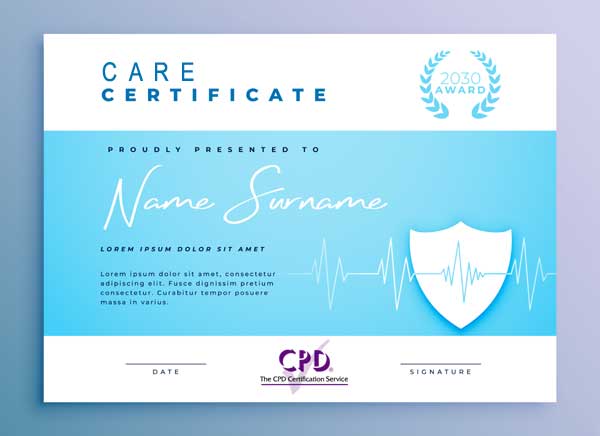
The Care Certificate Training
The Care Certificate is a set of 15 essential standards designed to provide a consistent induction for new healthcare assistants and social care support workers. Developed to ensure high-quality, compassionate care, the standards cover a broad range of topics including duty of care, safeguarding, communication, and basic life support. Rather than being a simple classroom course, the certificate requires staff to demonstrate their competence through workplace assessments and a portfolio of evidence, ensuring they possess the fundamental skills and knowledge necessary to provide safe and person-centred support.

Continence Care
Incontinence refers to the loss of bladder or bowel control, which can be caused by physical conditions or mobility barriers that prevent access to a toilet. This creates a high risk for pressure sores, as constant moisture weakens the skin’s integrity. Early detection is critical; caregivers should watch for skin discolouration that doesn’t fade when pressed, changes in skin temperature, or localized pain over bony areas like the hips and heels.
Effective management focuses on prevention and rapid response, particularly for high-risk patients with limited mobility or poor nutrition. Treatment involves frequent repositioning to relieve pressure, utilizing specialized mattresses, and ensuring the skin remains clean and dry. By combining diligent incontinence care with barrier creams and nutritional support, the risk of serious skin breakdown can be significantly reduced.

Autism and Asperger`s Awareness
Autism is a lifelong neurodevelopmental condition that influences how an individual communicates, interacts with others, and experiences the world around them. Although autism cannot be cured, there are many effective ways to support autistic individuals and their families to help them live fulfilling lives.
Autism encompasses a broad spectrum of characteristics and may, in some cases, be associated with learning disabilities or epilepsy. As each person with autism is affected differently, it is essential to adopt a flexible and adaptable approach. By understanding individual needs through proper assessment, you can provide personalised, person-centred care.
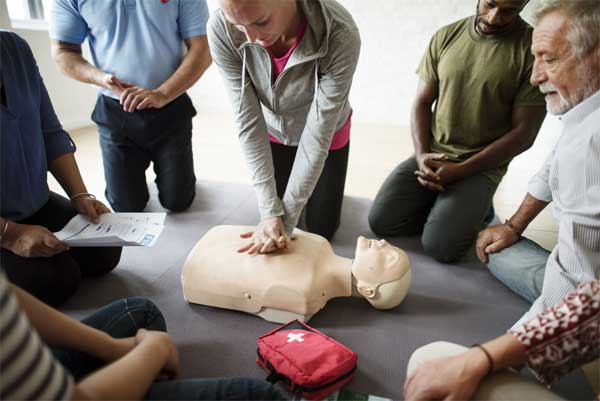
Cardiopulmonary Resuscitation (CPR), Defibrillation and Anaphylaxis
This course is designed primarily for healthcare professionals, although it is also suitable for anyone with an interest in the subject matter. On completion, participants will gain the theoretical knowledge required to perform cardiopulmonary resuscitation (CPR) in line with Resuscitation Council (UK) 2010 guidelines, safely operate an automated external defibrillator (AED), and recognise and manage anaphylaxis. Understanding is evaluated through a self-assessment multiple-choice questionnaire, and learners are encouraged to complement this theory with optional practical training.
The course content is structured across three modules. Module 1 focuses on emergency response and resuscitation, covering DR ABC, adult and paediatric CPR, cardiac arrest, DNACPR decisions, and COVID-19 considerations. Module 2 explores AED use, heart function, ventricular fibrillation, and defibrillator equipment. Module 3 addresses anaphylaxis in detail, including causes, signs and symptoms, assessment using the ABCDE approach, emergency treatment with intramuscular adrenaline, use of auto-injectors, and differential diagnosis, ensuring learners are prepared to respond effectively to life-threatening allergic reactions.

Complaint and Conflict Resolution
This course aims to provide an overview of the key principles involved in managing complaints and resolving conflict in the workplace. It explains what a complaint is, how different types of complaints should be handled, and the importance of responding correctly in line with legislation, safeguarding, and abuse awareness.
The course also introduces conflict resolution, covering the causes of conflict, legal considerations, communication breakdowns, and strategies for managing challenging behaviour. It highlights early warning signs, appropriate responses, and stresses that physical restraint should only be used as a last resort.

Add Your Heading Text Here
Lorem ipsum dolor sit amet, consectetur adipiscing elit. Ut elit tellus, luctus nec ullamcorper mattis, pulvinar dapibus leo.
Add Your Heading Text Here
Lorem ipsum dolor sit amet, consectetur adipiscing elit. Ut elit tellus, luctus nec ullamcorper mattis, pulvinar dapibus leo.
Add Your Heading Text Here
Lorem ipsum dolor sit amet, consectetur adipiscing elit. Ut elit tellus, luctus nec ullamcorper mattis, pulvinar dapibus leo.