Ergonomics, Equipment & the Law
Ergonomic design, specialist equipment, the PUWER and LOLER regulations, employee duties, infection control, and equipment safety checks.
What this part covers
- Ergonomics and ergonomic design
- Specialist equipment
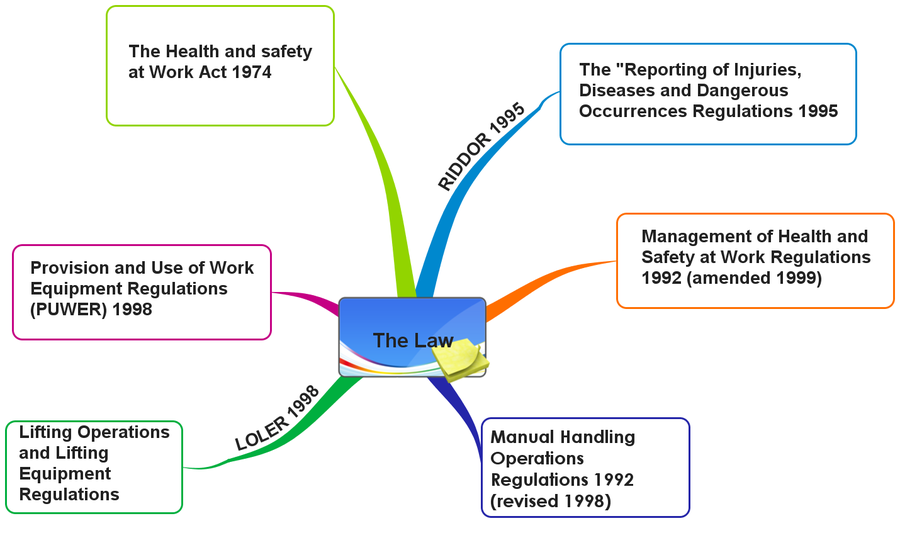
- Legal requirements for equipment (PUWER and LOLER)
- Employee duties and infection control
- Equipment safety checks
- Further reading and continuing professional development
Ergonomics is the practice of designing the arrangement between people, activities and objects so that human wellbeing and overall performance are both optimised. Ergonomic assessments typically draw on task and postural analysis, physiological assessment, and user trials.
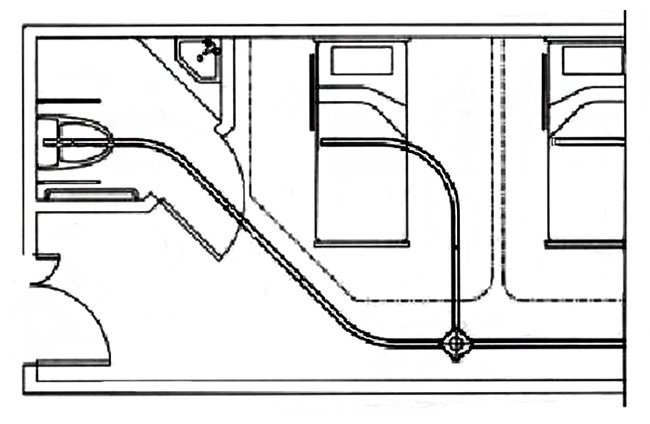
Good ergonomic design covers the safe, efficient movement and positioning of both the handler and the person being handled, plus the layout of rooms and facilities. That includes spatial factors (doorway and passage widths, room size, manoeuvring space, bed and chair sizes, toilet layout, access between levels), weight factors (the person's weight, equipment and furniture load capacity, floor load capacity), and ambient factors (lighting, temperature, sound, visual appeal).
Specialist equipment reduces operator fatigue and discomfort, reduces harm, and lets a task be carried out efficiently — but using it properly requires practical training, not just a quick read of the manual.
Standing and walking aids
Standing aid transporters, framed turning discs, standing aid hoists, walking jackets, walking frames, wheeled walkers, elbow crutches, parallel bars, walking sticks.
Bed-related equipment
Lateral tilt beds, profiling beds, bed levers, bed rails, bed hand blocks, pillow lifters, mattress elevators, leg lifters, repositioning sheets, slide sheets (with extension straps), and straight, curved or slide-sheet-integrated transfer boards.
Hoisting equipment
Overhead hoists, active and passive mobile hoists, floor- or wall-mounted hoists, and spreader bars — paired with universal, hammock, access (toileting), amputee, stretcher or turn slings, depending on the person's needs.
PUWER — The Provision and Use of Work Equipment Regulations 1998
PUWER requires that equipment provided for work is suitable for its intended use, safe, properly maintained and inspected, used only by people who've had adequate information, instruction and training, and accompanied by suitable safety measures such as protective devices, markings and warnings.
LOLER — The Lifting Operations and Lifting Equipment Regulations 1998
LOLER specifically covers lifting equipment such as hoists and lifts, requiring that it's strong and stable enough for its use and marked with safe working loads, positioned and installed to minimise risk, used safely by people who plan and organise the work competently, and subject to ongoing thorough examination and inspection.
Both regulations apply to employers and self-employed people providing lifting equipment for work, and to anyone with control over how that equipment is used.
Employee duties
Under the Health and Safety at Work etc. Act 1974 and the Management of Health and Safety at Work Regulations 1999, employees must take reasonable care of themselves and of anyone else who might be affected by what they do, and cooperate with others around them.
Controlling infection
Moving people and using handling equipment both call for good standards of cleanliness and hygiene, including washing hands (and arms if needed) before and after each activity, covering any new or existing cuts and grazes, taking rest and meal breaks away from the main work area, wearing appropriate protective clothing and disposing of or cleaning it safely, avoiding hand-to-mouth or hand-to-eye contact, disposing of contaminated waste safely, choosing equipment that's easy to clean and decontaminate, and cleaning work surfaces and areas regularly.
Before using any handling equipment, work through these checks — and if any answer raises doubt, don't use it.
- It hasn't been serviced within the last six months (check the service label)
- You haven't read the manufacturer's instructions
- Wheels don't spin freely or you're unsure they're fit for purpose
- Nuts and bolts aren't tightened, or the main structure or legs feel insecure
- The hydraulics or motor (on a hoist) don't seem to work correctly
- The brakes don't work properly
- The sling shows rips, tears or significant wear, including at hoops and stitching
Finally, make sure you're using the correct hoist for the task, that you're familiar with its operation, and that it's rated strong enough to lift the service user in question.
Skills for Care's standards for the HSC Diploma level 2 (formerly NVQ level 2) set out the guided learning hours and minimum training standards required for manual handling in social care settings. This course covers the theoretical side of those standards, but it's no substitute for practical training — local authorities can be asked for a community care assessment where appropriate, and organisations like St John Ambulance run hands-on courses specifically for moving and handling people.
For further guidance beyond this course, the HSE and NHS both publish relevant material, alongside sector bodies including the National Back Exchange, Royal College of Nursing, Chartered Society of Physiotherapy, College of Occupational Therapists, Royal College of Midwives, and Skills for Care. For a genuinely comprehensive, evidence-based reference, "The Guide to Handling People – A Systems Approach" (6th edition, known as "Hop6"), published by Backcare, is regarded as close to the definitive text on the subject and is endorsed by the HSE and many professional bodies.